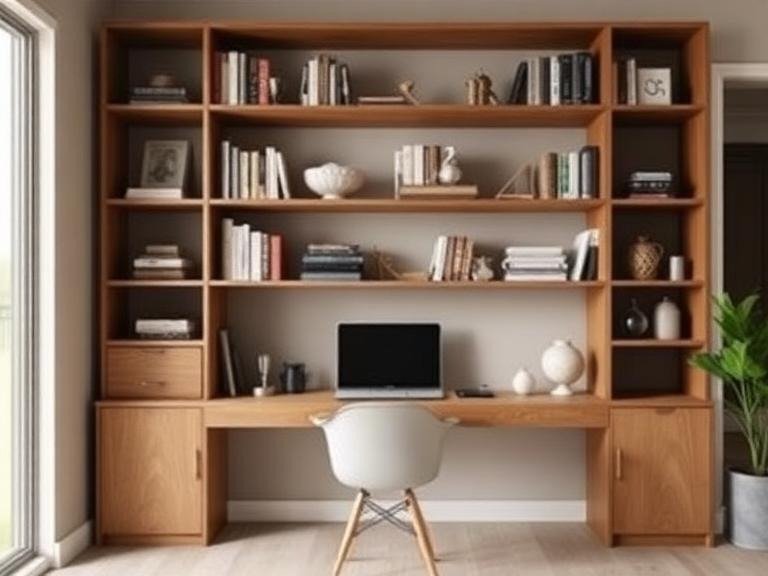
8 Essential Tips for Choosing a Book Shelf Australia for Your Home Office
In an era dominated by digital screens and cloud storage, the physical book remains a symbol of knowledge, personality, and aesthetic taste. For the modern professional, a well-organized library is more than just storage; it is a backdrop for video conferences, a source of inspiration, and a vital component of home office organization. When looking for a book shelf Australia residents often find themselves overwhelmed by choices ranging from minimalist metal frames to heavy timber units.
Selecting the right shelving requires a balance between structural integrity and visual harmony. Whether you are a collector of rare hardbacks or simply need a place to organize your industry journals and binders, these eight tips will guide you toward the perfect purchase.
Assess Your Load Capacity Requirements
The first mistake many people make is underestimating the weight of books. A standard shelf full of hardback books can weigh significantly more than one filled with decorative items. Before purchasing, check the weight rating per shelf. High-quality units from professional suppliers are designed to resist “bowing”—the unsightly sagging that occurs when a shelf is overloaded.
Consider Adjustable vs. Fixed Shelving
Not all books are created equal in size. From tall coffee table books to small paperbacks, your needs will change over time. Adjustable shelving provides the flexibility to move the shelf pins up or down, allowing you to maximize every inch of vertical space. Fixed shelves, while often more stable for extremely heavy loads, can lead to wasted space if your collection is varied.
Material Matters: Metal, Wood, or Hybrid?
The material of your bookshelf dictates both its lifespan and its style.
- Solid Wood: Offers a timeless, premium look but can be heavy and expensive.
- Engineered Wood (MDF/Particle Board): Affordable and lightweight, but prone to sagging if not reinforced.
- Metal Frames: Perfect for the “industrial” look, highly durable, and often easier to assemble.
Safety and Stability
In Australia, safety standards for furniture are paramount, especially in homes with children or pets. Tall bookcases should always be anchored to the wall to prevent tipping. Look for units that include wall-attachment hardware or have a wide, stable base.
Bookcase Style Comparison Table
| Style | Best For | Pros | Cons |
| Standard / Closed Back | Heavy collections | Very stable, hides wall imperfections | Can look bulky in small rooms |
| Etage / Open Back | Decorative displays | Airy feel, double-sided use | Less structural rigidity |
| Ladder Style | Modern apartments | Space-saving, trendy aesthetic | Limited weight capacity |
| Corner Units | Small offices | Utilizes dead space | Harder to fit large books |
Visual Depth and Room Scale
A bookshelf that is too deep can swallow a small room, while one that is too shallow won’t fit your binders. Standard depth is usually around 30cm. If you are working in a narrow corridor or a small bedroom office, consider a “lean-to” or ladder style that has a smaller footprint at the top.
Integration with Other Office Furniture
Your bookshelf should not exist in a vacuum. It should complement your desk and chair. For a cohesive look, match the metal finishes or the wood grain of your shelving to your existing setup. This creates a professional environment that is conducive to focus.
Ease of Assembly
Many modern bookshelves are shipped flat-packed to save on delivery costs. Check customer reviews to see how intuitive the assembly process is. Professional-grade shelving usually features precision-drilled holes and high-quality cam-lock systems that ensure the unit remains sturdy after assembly.
Sustainability and Longevity
In today’s market, durability is a form of sustainability. Choosing a high-quality bookshelf that will last for 15 years is far better for the environment than buying a “disposable” unit that ends up in a landfill after two years. Look for suppliers who prioritize robust construction methods.
Disclaimer
The information provided in this article, “8 Essential Tips for Choosing a Book Shelf Australia for Your Home Office,” is intended for general informational and educational purposes only. While every effort has been made to ensure accuracy and relevance, furniture specifications, safety standards, product availability, and weight ratings may vary by manufacturer, retailer, and location.
Readers are advised to consult product manuals, manufacturer guidelines, and local Australian safety regulations before purchasing, installing, or anchoring any bookshelf or storage unit. The author and publisher assume no responsibility for any loss, injury, or damage resulting from the use or misuse of the information presented in this article.