Power Without Limits: How Wireless and USB-C Charging Shape Modern Device Use
The wireless charger has long since outgrown its initial image as a slow and gimmick accessory. Wireless charging in the modern interconnected world is a transition to frictionless technology that can be easily integrated into daily life. I have been writing about consumer electronics and testing power accessories and after ten years I have noticed that users put more importance on reliability and ease rather than on raw specifications. A properly designed wireless charger provides precisely that by eliminating cables as a factor and making the process of keeping devices charged much easier.
I have got used to putting my phone on a wireless charger in my own workspace between tasks. One does not have to plug or unplug cables every time, which minimizes the wear on charging ports and keeps the desk tidy. This little convenience has over time created a significant difference in the ease with which my workday runs.
USB-C Charger and the Foundation of Fast, Reliable Power
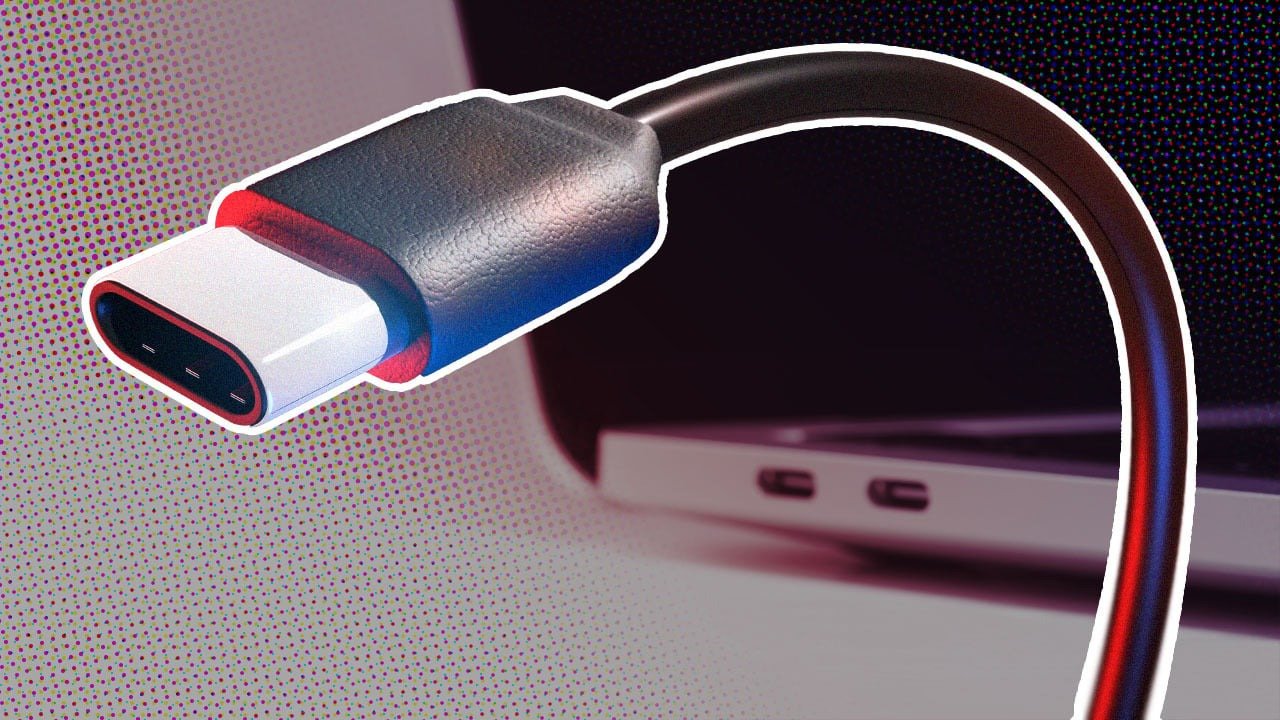
Whereas wireless charging focuses on convenience, the usb c charger is the workhorse of the current power delivery. USB-C is the standard of choice due to its ability to charge devices at a higher rate, higher wattage, and compatibility with all devices. USB-C is now used to ensure compatibility in the transfer of energy by laptops, tablets, headphones, and even power banks.
Technically, a usb c charger has intelligent power negotiation to adjust the output in accordance with device needs. This will avoid overcharging and heat accumulation. This, in practice, implies safer charging and improved long-term battery health. The usage of Anker USB-C chargers on various devices has solidified the need to have consistent power delivery, particularly in the course of a long working or studying day.
How Wireless Charger and USB-C Charger Complement Each Other
Wireless charger and usb c charger solutions are complementary and not competing technologies. Wireless charging is best in informal and short-term charging, e.g., charging a phone during a meeting or study break. USB-C charging is, however, the best to use in activities that require speed and efficiency, such as charging laptops or charging devices before traveling.
This balance has been reflected in the charging ecosystem that Anker has established. With the provision of trustworthy wireless chargers and high-performance USB-C chargers, the users can adjust their charging behaviors to various settings without affecting safety and performance.
Efficiency, Heat Control, and Battery Protection
Energy loss and heat generation is one of the issues that have been cited against wireless charging. Although the first designs did not perform well in this regard, the latest wireless charger designs have overcome these shortcomings by improving the alignment of coils and thermal control. Trustworthy brands have temperature sensors that control the flow of power in real time.
The USB-C chargers also have superior safety measures, such as overcurrent protection and voltage control. Such technologies make sure that devices only get the required power. I have tested over the years and discovered that quality chargers are very helpful in minimizing battery stress which is of great importance to students and professionals who use their devices on a daily basis.
Practical Value for Students and Academic Users
Charging solutions should be able to sustain long durations of concentration to students and academic readers. A wireless charger enables a phone to be left in place to do research, communicate or schedule without disrupting the workflow. In the meantime, a usb c charger will keep laptops and tablets charged during lectures, assignments, and group projects.
Such a combination minimizes downtime and technical interruptions. Once power management is made easy, users will be able to focus more on learning and productivity instead of maintaining the devices.
Choosing the Right Wireless Charger and USB-C Charger
Chargers do not provide equal results. Performance is largely influenced by build quality, certification and brand reliability. The brand Anker is known to be tested in terms of safety and design longevity, so it is a reliable option among users who are willing to use it without the threat of failure.
Personally, it is possible to say that it is better to invest in a good charger at the beginning to avoid problems in the future. Cheap substitutes tend to wear out easily resulting in slow charging or unreliable connection. By comparison, reliable chargers offer consistent performance during the years of use.
Final Thoughts
The integration of a trusted wireless charger and a strong usb c charger is indicative of how the contemporary user engages with technology. Both of them have a specific purpose, but they work in harmony to provide a smooth and effective charging process. Based on ten years of professional writing and practical testing, it is evident that trusted brands such as Anker keep perfecting such solutions to suit the real-life requirements. To students, professionals, and ordinary users, the use of both charging options is a sensible move towards an orderly and future-oriented digital life.