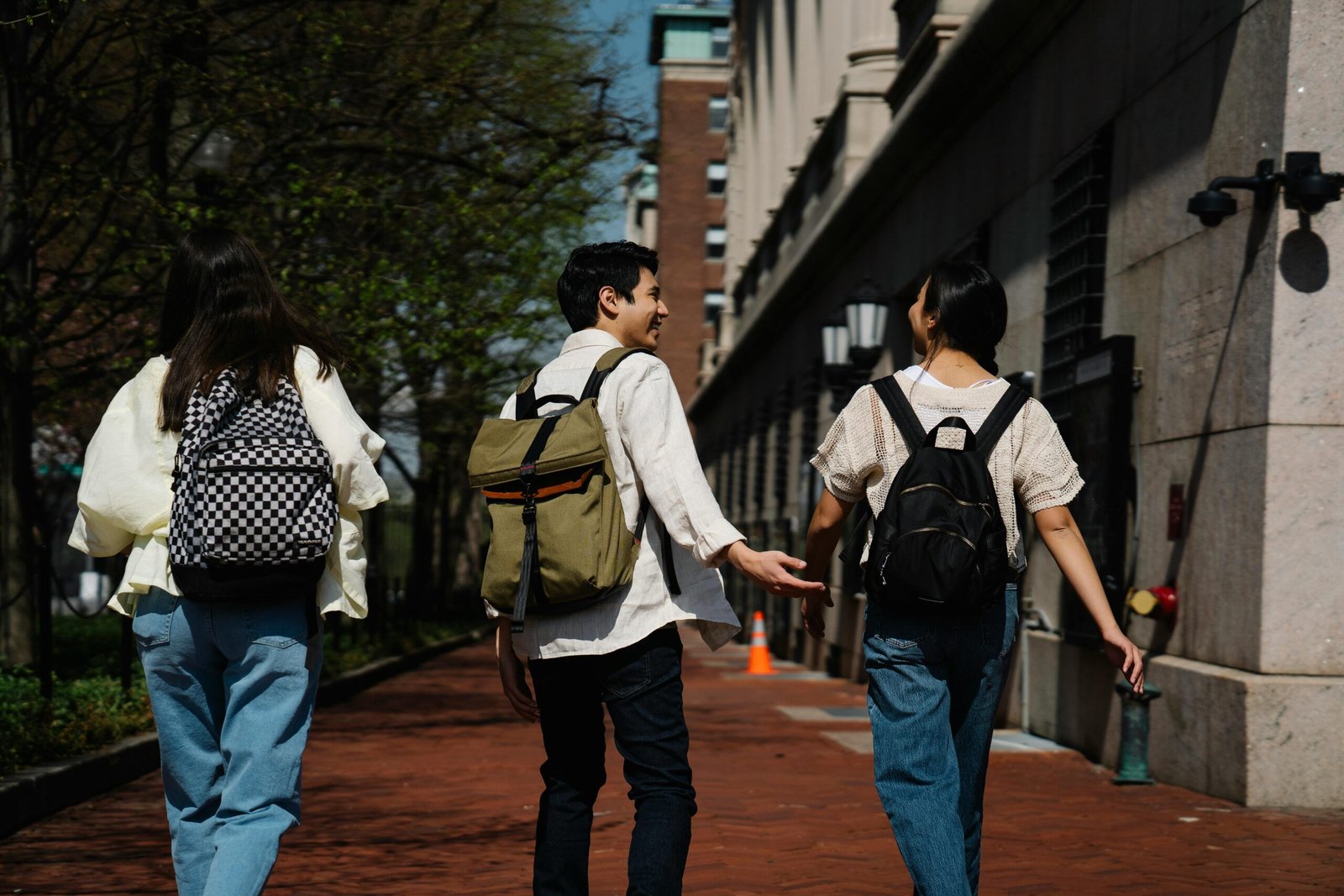
Socializing at College: Finding Community Outside Your Dorm and Classroom
College is a time to test ideas, build independence, and discover the communities that will shape your early adult life. Many students find the most meaningful connections not in lecture halls or residence corridors, but in the shared spaces and shared moments that sit just outside formal campus life. The challenge is not a lack of options. It is choosing where to invest your time so that you gain lasting friendships, practical experience, and a sense of belonging that carries you beyond graduation.
Join Interest-Based Clubs That Match Your Curiosity
Clubs remain one of the most reliable ways to meet people who share your interests and values. Instead of joining a dozen groups during the activity fair and fading out after week two, be strategic. Prioritize two or three organizations where you can participate regularly and take on responsibilities. That focus helps you move beyond acquaintance-level interactions to steady collaboration. Look for clubs that convene often and produce visible outcomes, such as student media, competitive teams, cultural associations, or community service groups with standing partnerships.
If you are unsure where to start, scan event calendars for recurring meetups or project nights, not only one-off socials. Attend with a goal. Introduce yourself to an officer, volunteer for a task, or ask how new members can contribute during the next month. People remember teammates who show up consistently. Over time you create a rhythm of familiar faces, shared jokes, and earned trust. That is the foundation of community, and it grows faster when your presence helps the group move forward.
Use the City as a Classroom for Connection
Your campus has boundaries. Your college experience does not. The neighborhoods, parks, cafés, community centers, and independent venues near your school offer a deeper pool of interests and identities than any single campus can. Say yes to small adventures. Attend an author talk at a local bookstore, a free gallery opening, an open mic, or a pick-up sports league. These spaces invite conversation that feels more relaxed than a classroom discussion and more organic than a residence hall icebreaker.
Explore with intention. Make a rotating list of places to try and invite a few classmates along. Aim for variety across price points and vibes. Include a quiet café for study sessions, a bustling market for Saturday mornings, a riverside trail for stress relief, and a weekly trivia night for low-stakes competition. When you return to spots regularly, staff and fellow regulars start to recognize you. That recognition can evolve into friendships that link your campus life to the broader community. It also makes your college town feel like somewhere you live, not just somewhere you attend.
In some cities, seasonal events can become annual touchpoints for shared memories. A student might organize a group to join the St Patty’s Day bar crawl in Cincinnati, while others might plan a fall harvest festival visit, a spring cherry blossom walk, or a summer outdoor movie series. The specific event matters less than the ritual of gathering and the sense of place that forms around it. Choose options that fit your values, respect local norms, and encourage safe, inclusive fun.
Combine Service and Social Life Through Civic Engagement
Volunteering connects you with people who care about similar issues and who show their commitment through action. It also shifts the social focus from small talk to shared purpose, which can ease nerves and help conversations flow naturally. Look for consistent opportunities with local nonprofits, schools, food banks, environmental groups, or mutual aid networks. Regular schedules foster repeated contact, and repeated contact builds community.
To get started, attend an orientation or reach out to a volunteer coordinator with a clear ask about how students can help. Bring a friend to the first shift and invite others after you get comfortable. If there is a gap between your campus and a community organization, consider starting a student liaison role or transportation pool. Service that meets real needs will deepen your sense of belonging, because it ties your social life to tangible outcomes. You also gain mentors and peers across age groups, which broadens your support network beyond college.
Build Micro-Communities Around Daily Routines
Large events and formal groups help, but much of community is built in the margins of the day. Create micro-communities by layering human connection into existing routines. Turn a weekly grocery run into a buddy system. Make the campus gym a social anchor by meeting the same friend for a short workout at the same time every Tuesday and Thursday. Start a shared study block in a set location, with a standing break to chat at minute 45. The predictability lowers the barrier to participation and reduces planning overhead, which keeps people coming back.
Food is especially powerful for building cohesion. Host potlucks where each person brings a simple dish, or try a progressive dinner across several apartments. If space is limited, use public areas like a community kitchen, picnic shelter, or student center lounge with permission. Keep it inclusive by offering nonalcoholic options and clear start and end times. The point is to cultivate spaces where people can drop in, feel seen, and leave with a lighter mind. When a routine becomes a ritual, community becomes durable.
Navigate Social Media With Purpose
Digital platforms can be helpful on-ramps to connection, especially for discovering events, exchanging resources, or organizing carpools. Treat them as bridges to in-person experiences, not as the destination. Follow local event pages, mutual aid accounts, and interest-specific groups for your city. When you see something promising, move the conversation offline. Suggest a meet-up at a public venue and bring another friend, especially for safety.
Be mindful of the tradeoffs. Too much passive scrolling can create the illusion of connection without the felt experience of being with others. Set a simple rule for yourself. Each week, convert at least one digital discovery into a face-to-face interaction. Share photos thoughtfully, ask for consent when posting group shots, and avoid creating social pressure that excludes people. Used well, social media is a tool that helps you find your people faster.
Conclusion
Meaningful college friendships often grow in the spaces between structured obligations. When you seek out interest-based clubs, treat the city as part of your campus, combine service with social life, build micro-communities around daily routines, and use digital tools to support real-world connection, you create a durable network of peers and mentors. Start small, show up consistently, and choose activities that reflect your values. Over time, those choices turn acquaintances into collaborators, neighbors into friends, and a college town into a place that feels like home.