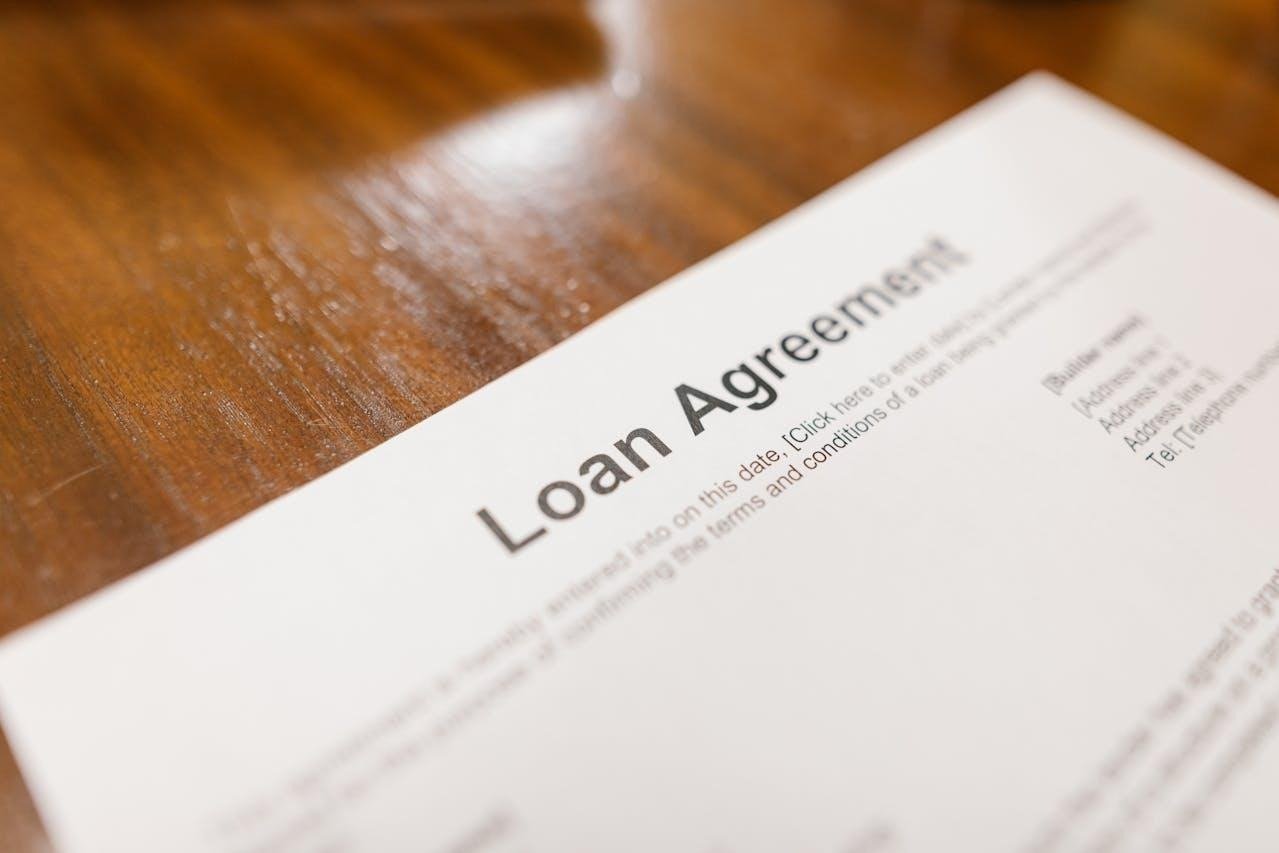
4 Point Checklist to See if You Qualify for a Debt Consolidation Loan in Australia
Applying for financial products when you aren’t quite ready can leave a mark on your file. It is smarter to look at your situation through the eyes of a lender first. You have to ask yourself if you look like a safe bet on paper.
This isn’t about judging your past spending. It is about assessing your current reality so you can move forward. Here is a checklist to help you see where you stand.
Peek at Your Financial Report Card
Lenders look backward to predict how you will behave in the future. They want to know if you have a track record of reliability. If you are researching debt consolidation loans australia, your credit score is the very first thing a bank will scrutinize. It tells the story of your financial habits over the last few years.
You do not need a perfect score to qualify. Many people assume one late payment five years ago disqualifies them, but that is rarely the case. Lenders look for patterns. They want to see that you pay your bills on time and that you aren’t drowning in credit enquiries.
If you check your report and see errors, fix them immediately. A cleaner report makes the approval process much smoother.
Proving You Can Pay It Back
Consistency is supreme when it comes to borrowing money. It is not enough to just earn a high wage one month and nothing the next. Lenders love boring, predictable income that hits your bank account like clockwork. They need to be 100% sure you can handle the new repayments without struggling.
Usually, you will need to provide proof of steady income for at least three months. This helps the lender see that your employment is secure. If you are in a probation period at a new job, you might need to wait until you are fully permanent. Acceptable forms of income stability usually include:
- Permanent full-time or part-time salary
- Consistent casual shifts over a long period
- Regular self-employed income backed by tax returns
Do the Math on What You Owe
You might earn good money, but if all of it goes out the door the moment it comes in, a lender will get nervous. This is a simple calculation of money in versus money out. Lenders need to verify that you have a “surplus” at the end of the week.
If your current rent, living expenses, and other debts eat up your entire paycheck, adding a new loan structure might be seen as irresponsible lending. You need breathing room. Before you apply, sit down and calculate your ratio. If it is too tight, see if you can reduce a few expenses first to show you have the capacity to pay.
Decide What Assets to Pledge
You generally have two paths when consolidating. You can either use an asset to secure the loan or go based on your signature alone. Offering security often makes it easier to qualify because it lowers the risk for the lender. If you stop paying, they have something to fall back on.
Think about what you own of value. This demonstrates commitment to the loan. Common assets used for security include:
- Equity in a residential property
- A newer model vehicle
- Term deposits or cash savings
If you choose not to provide security, the lender will look much closer at your credit history and income. The bar for approval is higher when there is no collateral involved.
Disclaimer:
This content is for general informational purposes only and does not constitute financial, legal, or credit advice. Lending criteria, approval requirements, and loan terms vary between financial institutions and individual circumstances. Readers should consider their personal financial situation carefully and seek independent advice from a qualified financial professional before applying for any financial product. Approval is not guaranteed and is subject to lender assessment and responsible lending obligations.