What Happens to Your Car After You Sell It for Scrap?
Many car owners reach the point of deciding to sell their old or unwanted vehicle, but once the car is driven or towed away, very few actually stop to think about what happens next. For most people, the transaction ends the moment payment is received and the vehicle disappears around the corner. However, understanding what happens to a scrap vehicle after collection tells a genuinely interesting and important story, one that reveals just how responsible, structured, and environmentally valuable the professional car removal industry truly is. Far from simply crushing cars and dumping them in a landfill, licensed scrap car operators follow a detailed and carefully managed process that extracts maximum value from every vehicle while minimising environmental harm at every stage.
Initial Inspection and Dismantling
The process begins the moment a collected vehicle arrives at a licensed processing facility. Before any dismantling takes place, trained technicians carry out a thorough initial inspection of the vehicle to assess its overall condition, identify which components are salvageable, and determine the safest and most efficient way to proceed with its disassembly.
One of the first and most critical steps in this stage is the safe draining and removal of all fluids contained within the vehicle. Engine oil, transmission fluid, brake fluid, power steering fluid, coolant, and windscreen washer fluid are all carefully extracted and collected separately. These substances are classified as hazardous materials and cannot be allowed to enter the soil or waterways under any circumstances. Reputable licensed facilities ensure that every fluid is either recycled appropriately or disposed of in full compliance with Australian environmental regulations, preventing contamination that could otherwise persist in the local environment for many years.
Hazardous components such as batteries, airbag systems, and catalytic converters are also carefully removed and handled separately during this stage, each requiring its own specific disposal or recycling pathway to ensure they do not cause harm to people or the environment.
Salvaging Usable Parts
Once the vehicle has been safely prepared through the initial inspection and fluid removal process, the focus shifts to identifying and recovering every component that still has usable life remaining in it. This is one of the most valuable aspects of the professional scrap car process, and it is where a significant portion of the vehicle’s residual worth is realised.
Parts such as engines, gearboxes, alternators, starter motors, suspension components, brake assemblies, steering systems, door panels, windows, mirrors, seats, and electronic modules are carefully removed and assessed by experienced technicians. Those that meet the required standards of quality and functionality are cleaned, tested where necessary, catalogued, and made available for resale as quality second-hand parts. These components find their way into repair workshops and private garages across Australia, where they provide a far more affordable alternative to purchasing brand new parts directly from manufacturers.
The broader benefit of this salvage process extends well beyond the individual buyer who purchases a second-hand alternator or gearbox at a lower price. By recovering and redistributing functional components, car wreckers actively reduce the demand for newly manufactured parts, which in turn lowers the energy consumption and raw material usage associated with automotive parts production. It is a practical and meaningful contribution to a more sustainable and circular economy, one that delivers value at every point along the chain.
Recycling Materials
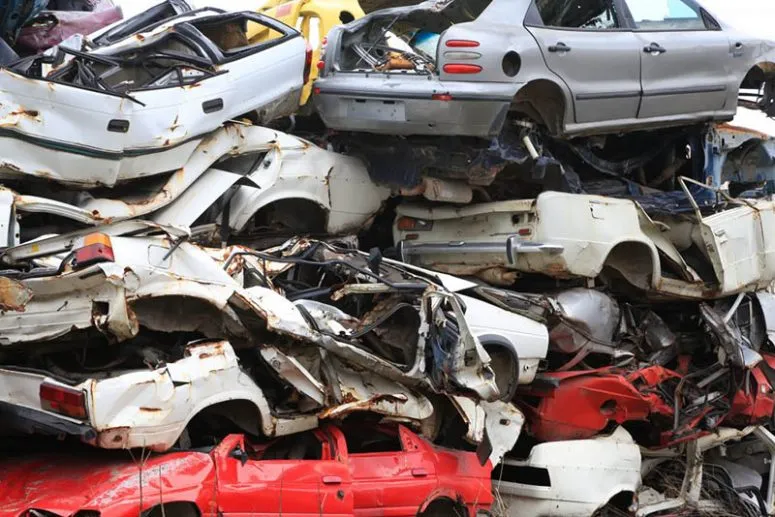
After all salvageable parts have been removed and set aside, what remains is essentially the bare structural shell of the vehicle along with various non-recoverable components. Rather than sending this material to landfill, licensed scrap facilities put it through an industrial recycling process that extracts the maximum possible value from the remaining raw materials.
The vehicle shell is first compressed and then shredded using heavy-duty industrial equipment, reducing it to manageable fragments of mixed material. These fragments are then sorted using magnetic and other separation technologies to isolate different metal types. Steel, which makes up the largest proportion of a typical vehicle’s body weight, is separated and baled for delivery to steel mills where it is melted down and reprocessed into new steel products. Aluminium, which is found throughout modern vehicles in engine components, wheels, and body panels, is similarly recovered and recycled, as it is a particularly valuable and energy-efficient material to recycle compared to producing it from raw ore.
Other materials recovered during this stage include copper from wiring systems, rubber from tyres and seals, and various plastics that can be processed and repurposed depending on their composition. The goal throughout this entire stage is to divert as much material as possible away from landfill and back into productive use within the manufacturing supply chain.
Environmental Impact
The cumulative environmental benefit of this end-to-end recycling process is substantial and far-reaching. Every vehicle that passes through a licensed scrap car facility rather than being abandoned or illegally dumped represents a meaningful reduction in landfill waste, soil contamination, and water pollution. The recovery and recycling of steel and aluminium alone saves enormous quantities of energy compared to producing these metals from virgin raw materials, contributing directly to lower greenhouse gas emissions across the manufacturing sector.
Australia has set increasingly ambitious sustainability and waste reduction targets in recent years, and the automotive recycling industry plays a genuine and significant role in helping to meet those targets. Licensed car removal operators are subject to strict environmental compliance requirements that ensure every vehicle they process is handled in a way that protects both the local environment and the broader ecosystem. By choosing a reputable and licensed scrap car service, vehicle owners are directly supporting these environmental outcomes and contributing to a cleaner, more sustainable Australia.
Why It Matters for Sellers
Understanding what happens to your vehicle after it leaves your property is not just an interesting piece of knowledge, it is also practically important when it comes to choosing who you sell to. Selling to a professional and licensed scrap car buyer ensures that your vehicle is disposed of in a way that is fully legal, environmentally compliant, and ethically responsible. You can have complete confidence that no part of the process will result in illegal dumping, environmental contamination, or the use of unsafe disposal methods that could reflect back on you as the previous owner.
Beyond the peace of mind that comes with responsible disposal, selling through a licensed operator also guarantees that the transaction itself is handled correctly from a legal and administrative standpoint, with all necessary transfer documentation completed properly and payment made securely at the time of collection. For Australian car owners looking to part with an old, damaged, or end-of-life vehicle, choosing a reputable scrap car service is the option that delivers the best outcome in every possible respect.