Post Partum Hair Loss After Pregnancy Causes and Recovery
Postpartum hair loss after pregnancy is the temporary increase in hair shedding that many women face after giving birth.
Postpartum hair loss happens when hormone levels change after delivery. This change causes hair that grew during pregnancy to fall out all at once. This process usually begins a few months after birth and follows a predictable pattern.
Although the amount of hair loss can feel alarming, it is typically temporary and reversible.
Key Takeaways
- Post-partum hair loss is temporary shedding caused by hormonal changes after pregnancy, not permanent follicle damage.
- Shedding usually starts a few months postpartum, peaks around four to six months, and improves as the hair cycle resets.
- Hair falls, thinning hair, and strands in the shower drain are common signs during recovery.
- Gentle hair care, nutrition, and time support regrowth, with improvement expected within the first year postpartum.
What Is Post Partum Hair Loss?
Post-partum hair loss is increased shedding that happens after pregnancy and birth. It is often referred to as postpartum alopecia or post pregnancy hair loss.
This condition reflects a reset in the hair cycle rather than damage to hair follicles. Regrowth remains possible because follicles stay healthy.
Many women notice hair falls more than usual during daily routines. Seeing loose strands can feel distressing without context. In most cases, this shedding is part of normal postpartum recovery.
Post Partum Hair Loss vs Other Types of Hair Loss
Post-partum hair loss differs from genetic or autoimmune hair loss. It results from hormonal shifts rather than permanent follicle damage. This explains why it is usually temporary.
Unlike pattern hair loss, postpartum alopecia does not create lasting thinning zones. Conditions like alopecia areata involve immune-related mechanisms. Post pregnancy hair loss resolves as hormones stabilize.
Why Hair Loss Happens After Pregnancy
Hair loss after pregnancy relates to hormone changes following delivery. During pregnancy, higher estrogen levels keep hair in the growing phase longer. This often creates fuller-looking hair.
After birth, estrogen levels drop. Many hairs then enter the shedding phase at the same time. This synchronized shedding causes visible hair thinning.
When Does Postpartum Hair Loss Start?
Many women ask when does postpartum hair loss start. Shedding often begins between two and four months postpartum. Timing varies by individual hormone recovery.
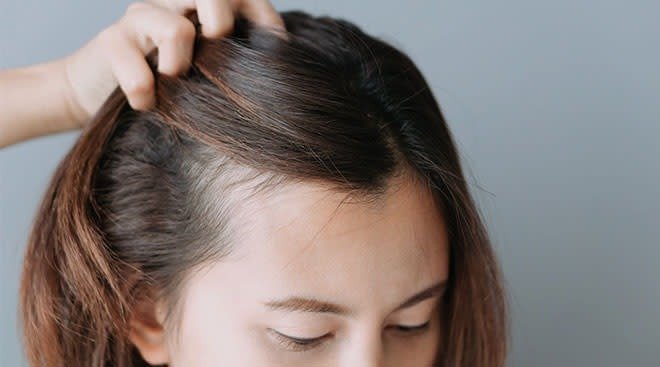
Months after giving birth, thinning hair may appear near the hairline or crown. Hair falls may increase during washing or brushing. These signs are typical.
How Long Does Postpartum Hair Loss Last?
A common concern is how long does postpartum hair loss last. Shedding often peaks around four to six months postpartum. After that, it gradually slows.
Most women notice improvement by nine to twelve months postpartum. Hair grow patterns return as shedding decreases. Full density may take longer.
When Does Postpartum Hair Loss Stop?
Many wonder when does postpartum hair loss stop fully. In most cases, shedding eases by the end of the first year. New growth becomes easier to see.
If hair loss post birth continues beyond twelve months, further evaluation may help. Thyroid issues or nutrient deficiencies can prolong shedding. Medical guidance clarifies next steps.
Common Signs You May Notice
Post pregnancy hair loss often includes visible but temporary changes. These signs may feel dramatic without explanation.
You may notice:
- Hair falls collecting in the shower drain
- Increased shedding on pillows or clothing
- Thinning hair near the temples
- More loose hair during brushing
These signs reflect shedding, not permanent loss.
The Role of the Hair Growth Cycle
Hair follows a cycle with three stages. Hormones influence how long hair stays in each stage. Pregnancy alters this balance.
The cycle includes:
- Growing phase
- Resting stage
- Shedding phase
After delivery, many hairs enter the shedding phase together. This creates noticeable thinning hair.
Is Postpartum Hair Loss Preventable?
Many ask how to stop postpartum hair loss postpartum period. Hormone-driven shedding cannot be fully prevented. The body needs time to rebalance.
Gentle care reduces breakage and stress. Supportive routines protect hair while regrowth begins. These steps help appearance during recovery.
Daily Hair Care Tips That Help
Small habits reduce strain on thinning hair. These changes support comfort and manageability.
Helpful habits include:
- Avoid tight ponytails
- Use wide-tooth combs
- Limit heat styling
- Choose soft hair ties
These steps reduce breakage during months postpartum.
Choosing the Right Hair Products
Product choice matters during postpartum alopecia. Heavy formulas can weigh hair down and highlight thinning hair. Lighter products feel easier to manage.
Many women choose volumizing shampoos during shedding. These improve appearance without altering the hair cycle. Gentle cleansing supports scalp health.
Nutrition and Hair Recovery
Nutrition supports hair growth after childbirth. Pregnancy can reduce key nutrients. Restoring balance supports regrowth.
Vitamins and minerals such as iron and zinc play a role. Testing helps guide supplementation. Balanced nutrition supports recovery.
Medical Evaluation and Postpartum Hair Loss Treatment
Postpartum hair loss treatment usually involves reassurance and monitoring. Medication is rarely needed. Time remains the main factor.
If shedding persists past one year, testing may help identify other causes. Treating deficiencies supports hair recovery.
When Persistent Hair Loss May Require Specialist Care
When hair thinning continues well beyond the postpartum period, it may no longer be related to hormonal shedding alone. In these cases, a professional evaluation can help determine whether another form of hair loss is present and what treatment options are appropriate.
Some women benefit from consulting specialists experienced in surgical and non-surgical solutions, especially when hair density does not recover as expected.
Clinics offering advanced procedures, such as hair transplant in Boca Raton, often evaluate long-term thinning patterns to rule out conditions unrelated to post-partum hair loss.
Expected Regrowth Timeline Month by Month
Hair regrowth appears gradually after shedding slows. Short, fine hairs often appear near the hairline first. These indicate active follicles.
Between six and nine months postpartum, thickness improves. By twelve months, coverage often looks fuller. Individual timelines vary.
Final Perspective on Post Partum Hair Loss
Post-partum hair loss reflects a normal postpartum adjustment. It does not mean permanent hair damage. The body restores balance with time.
Gentle care, nutrition, and patience support recovery. Most women see improvement within the first year after giving birth. lose hair
Disclaimer
The information provided in this article is for general educational and informational purposes only and is not intended as medical advice. Post-partum hair loss experiences can vary from person to person based on individual health factors, hormonal changes, and medical history. This content should not be used as a substitute for professional medical diagnosis, treatment, or guidance. Always consult a qualified healthcare provider, dermatologist, or medical professional regarding concerns about hair loss, underlying conditions, or treatment options, especially if hair shedding is severe, prolonged, or accompanied by other symptoms. Reliance on any information in this article is solely at your own discretion.