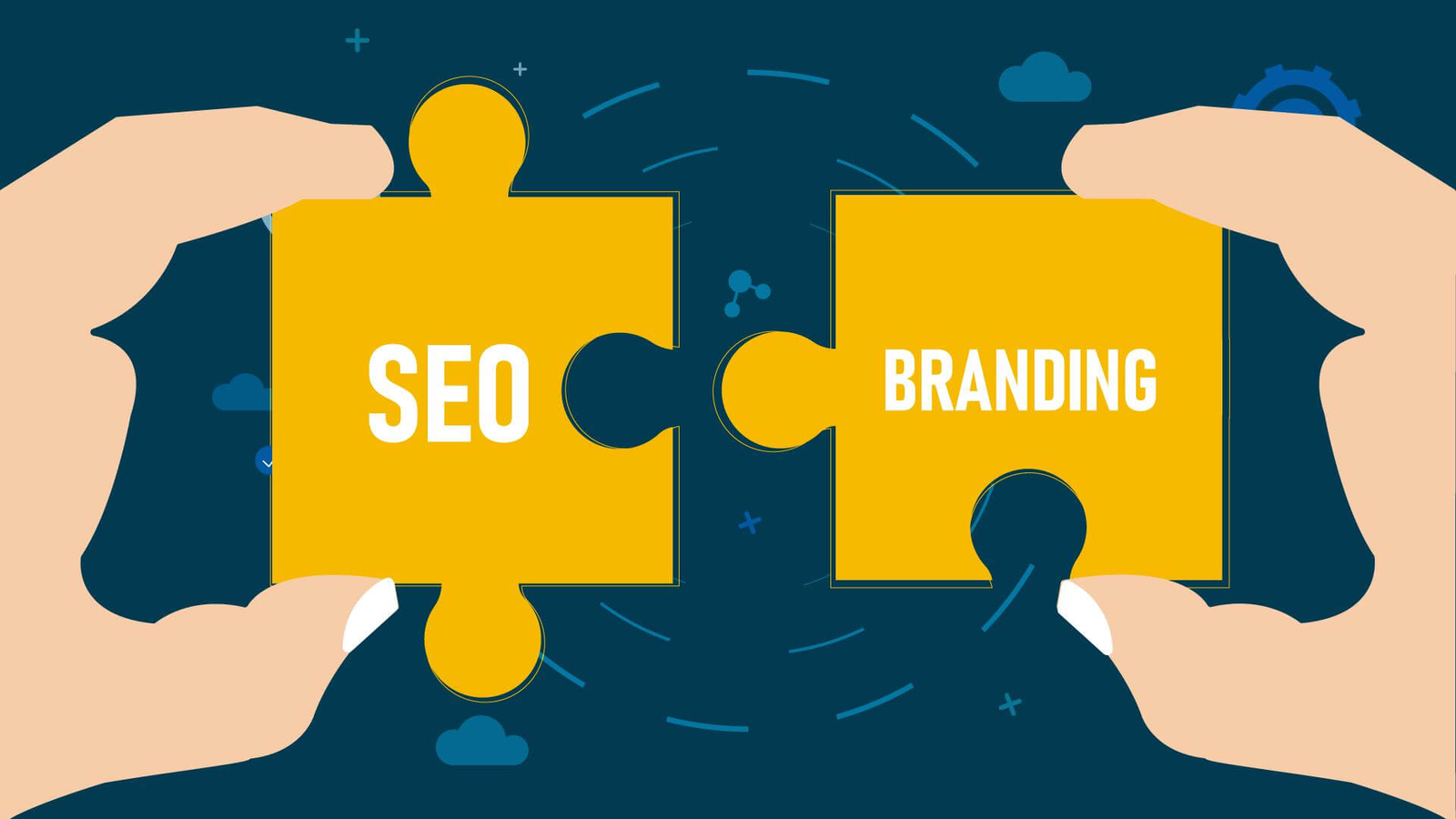
SEO vs Branding: Why You Can’t Separate Them Anymore
Search engine optimisation once lived in a technical corner, while branding lived in another room entirely. People learned SEO through keywords, links, and structure. Branding belonged to logos, tone, and emotion. That separation no longer survives reality though.
Modern search erased the wall between SEO and branding. Algorithms matured, users changed behaviour, and trust replaced tricks. Visibility now depends on perception as much as precision.
So, this article explores why SEO and branding now operate as one force. Let’s see how it changes your SEO in Melbourne.
The Old Belief That SEO and Branding Were Different
SEO once focused on machines, and branding focused on humans. SEO strategies prioritised keyword density, while branding strategies prioritised memorability. Search engines rewarded repetition. Users tolerated mediocrity.
That environment disappeared.
Algorithms learned behaviour, users demanded quality, and trust replaced manipulation. The old separation collapsed quietly.
Search Engines Now Evaluate Human Signals
Modern algorithms observe users carefully by measuring engagement, tracking return visits, and assessing trust indicators. To improve all these factors, you need brand strength. Brand strength influences all these signals effectively, and SEO benefits from that behaviour.
- Recognised brands earn clicks instinctively.
- Familiar names reduce hesitation.
- Known entities feel safer.
Branding feeds algorithm confidence.
Click Behaviour Proves the Connection
Search results display many options, and users choose quickly. In this process, brand names attract attention, while unknown sites struggle for clicks. Higher click rates send relevance signals, encouraging algorithms to respond positively. Eventually, SEO performance improves through brand recognition.
However, ranking position alone no longer guarantees traffic. You must make brand recognition work for you with suitable strategies.
Brand Searches Strengthen SEO Authority
Brand searches reflect memory, and memory reflects impact. When users search for a brand directly, search engines detect demand, which signals credibility. This behaviour boosts domain trust, stabilises rankings, and improves resilience during updates. Then, SEO gains strength without optimisation tricks.
This is how good branding creates gravity for your SEO.
Trust Became the Core Ranking Currency
Search engines protect users fiercely by avoiding risky recommendations. For this reasons, brands feel safer than anonymous pages. However, trust develops through consistency, reputation, and experience. SEO depends on that trust now, which branding can creates effectively.
Content Without Brand Identity Feels Disposable
Generic content blends together, as voice disappears and memory fades. Brand driven content, on the other hand, feels distinctive. Tone creates familiarity, and style builds good connection. Readers remember brands that speak clearly and return again for some more help.
Search engines notice thes returning visitors, and reward the memorability with good rankings.
Algorithms Understand Entities Not Just Keywords
Search engines recognise brands as entities. They connect names with topics and map relationships. So, strong brands gain topical association automatically. Pages rank through entity relevance rather than keyword matching.
Branding reinforces this association.
Backlinks Depend on Brand Perception
People link to brands they trust, editors cite credible sources, and journalists reference known names. However, unknown sites struggle to earn organic links. The solution is to build a brand that people trust. With trust and reputation, backlinks come naturally and consistently.
So, it’s safe to say that brand authority is key in attracting natural backlinks. SEO thrives on those endorsements.
User Experience Ties SEO to Brand Reputation
User experience reflects brand quality. For example, Slow sites damage perception and confusing layouts reduce trust. Search engines measure these experience metrics by tracking frustration signals. Poor experience weakens rankings.
So, branding demands polish, and SEO rewards polish. They operate together.
Social Signals Influence Search Indirectly
Depending on their reach and reputation, brands gain discussion regularly in the digital world. Content spreads socially, and awareness grows. Eventually, search demand also increases afterward. SEO benefits indirectly from all this social visibility.
Local SEO Relies Heavily on Branding
Local results depend on reputation. Imagine you have found two diners in your area: One without any reviews and one with a couple of positive testimonials. Which one would you choose to go to? The obvious—One with reviews because reviews influence our decisions more than anything in this internet-driven world. And recognition guides choice.
So, in simple terms, known local brands outperform optimised unknowns. SEO visibility follows trust signals, and brand presence dominates local search.
Paid Media Strengthens Organic Performance
Advertising increases awareness, and awareness increases brand searches. But organic rankings stabilise afterward. SEO benefits from brand exposure created elsewhere help you improve your reach.
If you have multiple channels, you can also see them merge naturally.
Branding Shapes Search Intent Satisfaction
Users expect certain experiences from brands. They anticipate tone and expect quality. And meeting those expectations improves engagement and influences rankings. So, one can say that SEO depends on brand promise delivery.
Content Strategy Requires Brand Consistency
Random content confuses audiences, and inconsistent voice weakens trust. Strong branding always aligns messaging, reinforcing consistency and authority. Search engines recognise this coherence and makes sure to reward that website.
Metrics Now Reflect Brand Influence
Last but not least, remember that bounce rates improve with familiarity. Time on site increases with trust. Brand loyal users behave positively. Search engines measure these behaviours, as SEO reflects brand strength now.
Conclusion
SEO and branding no longer compete They complement. Visibility depends on trust, and trust depends on perception. Branding shapes this perception, then SEO amplifies reach. It’s a chain that one mustn’t ignore. Separating them weakens both.
If you need more help understanding these concepts for your SEO in Melbourne, consider speaking with Make My Website.