The Complete Guide to E-commerce Fulfillment in Melbourne
E-commerce in Melbourne has grown from side hustle territory into a serious engine for local and national business. But as orders increase, so do the moving parts: inventory, packing, shipping, returns, customer expectations and delivery timeframes. At some point, the question becomes less “How do I get more orders?” and more “How do I keep up without burning out or damaging my brand?”
That’s where a clear understanding of e-commerce fulfillment—and when to bring in external help—makes all the difference. Treat fulfillment as a strategic function, not just a back-end chore, and you’ll set your store up for sustainable growth rather than constant firefighting.
What E-commerce Fulfillment Actually Covers
Fulfillment is everything that happens after a customer clicks “buy” and before their parcel arrives at the door. It includes receiving stock from suppliers, storing it safely, tracking inventory, picking and packing orders, printing shipping labels, handing parcels to carriers and managing returns.
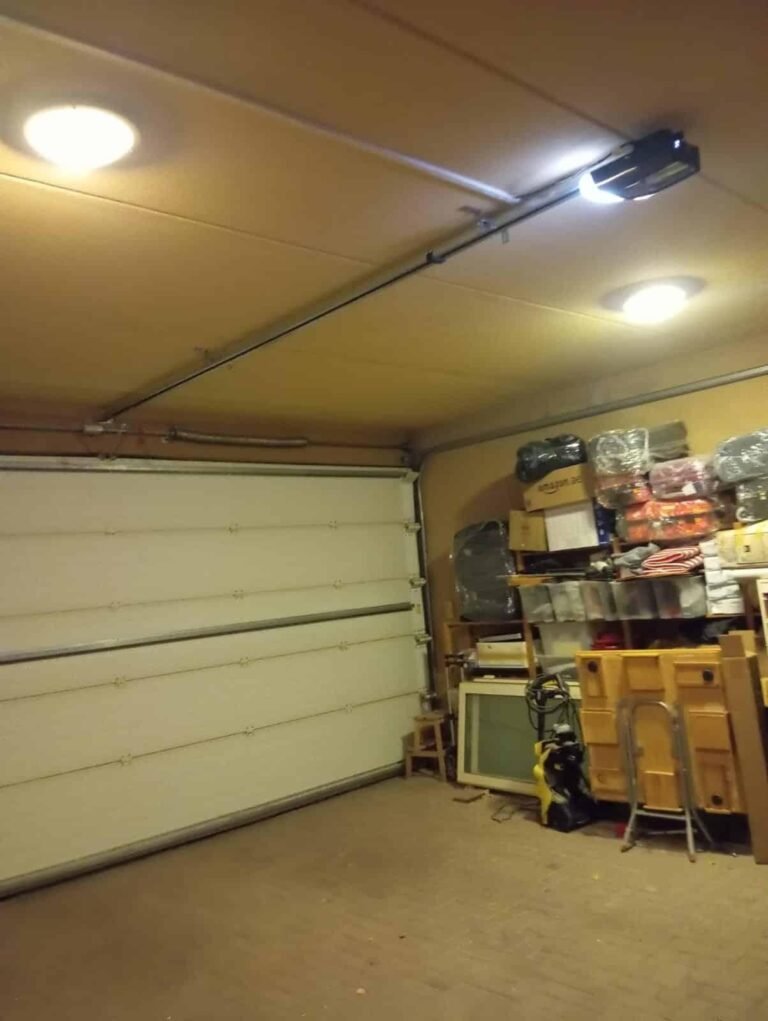
In the early stages, most sellers handle all of this themselves from a spare room, garage or small storage unit. That can work up to a point—but as volumes rise, the time and energy required to manage this manually begins to clash with the need to focus on marketing, product development and customer service.
In a city like Melbourne, where customers are used to fast delivery and professional packaging, fulfillment quality directly shapes how your brand is perceived.
The Case for Outsourcing to 3PL in Melbourne
For growing stores, partnering with a specialist in 3pl melbourne is often the natural next step. Third-party logistics (3PL) providers exist to handle warehousing and order processing at scale, letting you plug into an existing infrastructure instead of building your own.
That shift unlocks several advantages. You can move to a more flexible cost base that scales with volumes rather than committing to a long-term lease and warehouse staff. Your cut-off times for same-day or next-day dispatch may improve, because you’re using a facility built for speed and efficiency. And your error rate tends to drop as experienced pick-and-pack teams replace ad hoc, founder-led packing sessions late at night.
Most importantly, you reclaim hours every week that can be reinvested into growth activities instead of parcel tape and shipping labels.
How a 3PL Integration Works in Practice
When you partner with a fulfillment specialist, the first step is onboarding. Your products are sent to the 3PL’s warehouse, where they’re received, checked and logged into a warehouse management system. Each SKU gets a storage location, and stock levels become visible in real time.
Your online store and marketplaces are then integrated with the 3PL’s software so orders flow automatically. When a customer places an order, it appears in the warehouse system without you needing to manually export or email anything. Warehouse staff pick the items, pack them according to your instructions, apply labels and hand parcels off to carriers.
Tracking information is passed back to your store so customers receive notifications as usual. From their perspective, nothing has changed—except that orders may arrive more quickly and more consistently, with fewer mistakes.
Designing a Fulfillment Setup That Matches Your Brand
Going “hands off” on fulfillment doesn’t mean losing control of your brand. In fact, a good setup allows for plenty of customisation.
You can specify packaging types, whether you want eco-friendly materials, how fragile items should be handled, and what inserts or promotional materials should be included in each parcel. You can define rules for partial shipments, pre-orders and backorders, and set up different packing requirements for wholesale versus direct-to-consumer orders.
The goal is to build a fulfillment playbook that reflects your brand’s promises. Fast-growing Melbourne stores often find that having a documented process, executed by specialists, results in a more consistent unboxing experience than trying to manage every parcel themselves.
Managing Inventory and Planning for Peaks
One of the biggest challenges in e-commerce fulfillment is inventory management: having enough stock in the right place at the right time without tying up too much cash. That becomes even more important in a market like Melbourne, where demand can spike around events, seasons and promotions.
A structured fulfillment system gives you clearer data on stock levels, order patterns and slow-moving SKUs. With that visibility, you can forecast more accurately, plan purchase orders ahead of major campaigns and avoid both overstocking and stockouts.
This is especially valuable in peak periods—Black Friday, Christmas, major sales—when order volumes can jump dramatically. A 3PL that’s already geared for high throughput can add staff and processing lines in ways that would be difficult and expensive for a single merchant to replicate alone.
Shipping Options, Costs and Customer Expectations
Delivery time and shipping cost play a huge role in cart abandonment and repeat purchase behaviour. Customers in Melbourne often expect options: standard delivery at a fair price, express for urgent orders and sometimes click-and-collect or local courier solutions.
Fulfillment providers that work with multiple carriers can help you assemble a mix of services that balances speed and cost. They can also access negotiated rates that may be more competitive than what a single store could obtain.
From your side, it’s important to set clear expectations at checkout. Promised delivery timeframes should match what your fulfillment setup can consistently achieve. When the operational reality and marketing promise line up, trust grows.
Measuring Performance and Improving Over Time
E-commerce fulfillment isn’t something you “set and forget.” It needs to be monitored and refined regularly. Useful metrics include order processing time, on-time dispatch percentage, pick accuracy, return rates and reasons for returns, and average shipping cost per order.
By reviewing these numbers, you can spot patterns: products that are frequently mispicked, packaging choices that lead to damage, or carriers that underperform in certain regions. Small adjustments—such as repacking fragile items, changing box sizes or updating standard operating procedures—can lead to meaningful improvements in customer experience and profitability.
A specialist provider like Fulfillio will often provide dashboards and reports that make these insights easier to access and act upon, especially for merchants running multiple channels.
Making E-commerce Fulfillment a Growth Lever, Not a Bottleneck
Ultimately, the “complete guide” to e-commerce fulfillment in Melbourne comes down to one big idea: treat logistics as a strategic part of your business, not just a cost centre. The way you store, pick, pack and ship orders shapes customer satisfaction, reviews, repeat purchase rates and your ability to scale.
By putting robust systems in place, integrating your store with reliable operations and working with a partner experienced in 3pl fulfillment melbourne, you reposition fulfillment from something you constantly fight with to something that quietly powers your growth.
When that shift happens, you’re no longer limited by how many parcels you can personally pack in a day. Instead, you’re free to focus on what you do best—building a brand, serving customers and expanding your reach—while your logistics engine keeps humming along in the background.
Conclusion
E-commerce fulfillment is no longer just an operational necessity for Melbourne-based online stores—it’s a defining factor in long-term success. As order volumes grow and customer expectations rise, the ability to deliver quickly, accurately, and consistently becomes a competitive advantage. Whether you manage fulfillment in-house or partner with a trusted 3PL, the key is building a system that supports your brand promise and scales with demand.
By treating fulfillment as a strategic lever rather than a last-step task, businesses can reduce stress, improve customer satisfaction, and unlock time to focus on growth. With the right processes, data visibility, and logistics support in place, e-commerce brands in Melbourne can turn fulfillment from a daily challenge into a powerful engine that drives efficiency, loyalty, and sustainable expansion.