The Parts That Wear Out Most in a Garage Door and How to Prevent It
Your garage door works harder than you might think. It opens and closes approximately 1,000 to 1,500 times per year that’s roughly 3 to 4 times daily for the average homeowner. With so much activity, it’s inevitable that certain components will eventually wear out. The good news is that understanding which parts deteriorate first and knowing how to maintain them can extend your door’s lifespan significantly and keep your family safe.
Let’s explore the most common wear-prone garage door components and what you can do to prevent costly repairs.
Springs: The Hardworking Heart of Your System
Garage door springs are engineered to handle approximately 10,000 opening and closing cycles roughly 7 to 12 years of typical use. These tightly coiled metal springs bear the weight of your entire door, which typically weighs between 250 and 500 kilograms. When springs begin to wear, you’ll notice your door becoming harder to open, moving unevenly, or making loud creaking sounds.
Common signs of spring failure include visible rust or corrosion on the springs, gaps appearing in the coils, or a loud “bang” when the door operates (this indicates a spring has snapped). Never attempt to replace springs yourself they are under extreme tension and pose serious injury risks. Professional garage door repair technicians have the proper tools and training to handle spring replacement safely.
To prevent premature spring wear, keep your garage environment relatively dry by maintaining proper ventilation. Rust is one of the primary culprits in spring failure, so protecting springs from moisture and salt air (if you live near the coast) can significantly extend their life. Regular lubrication with silicone-based garage door lubricant also helps reduce friction and corrosion.
Rollers: Essential for Smooth Operation
Rollers are small cylindrical wheels that glide along the vertical tracks, guiding your door’s movement. They endure constant friction and pressure, making them prone to wear and tear. Worn rollers create noise, cause the door to move unevenly, and can eventually damage the tracks themselves.
Signs of roller wear include a rumbling or squeaking sound during operation, visible cracks or flat spots on the roller surface, or difficulty opening and closing the door. Some rollers are made of steel, while others use nylon or polyurethane compounds. Nylon rollers typically last longer and operate more quietly than steel alternatives.
To maintain healthy rollers, inspect them monthly for visible damage and clean any debris from the tracks. Lubricate the rollers and tracks with silicone spray avoid using general-purpose oil, which attracts dirt and creates a grinding paste over time. If you notice severely damaged rollers, replacement is relatively straightforward and more affordable than waiting for damage to spread to your tracks.
Cables: The Invisible Support System
Garage door cables work in tandem with springs to safely lower your door. These steel cables run along both sides of the door and over pulleys, distributing weight evenly. A single broken cable won’t prevent your door from opening, but it places enormous stress on the remaining cable and can cause your door to move unevenly or tilt to one side.
You’ll spot cable problems by looking for fraying, visible kinks, or separation of the steel strands. Cables typically fail due to rust, impact damage, or simply accumulated wear. Because new garage door installation work often involves cable installation, professional installers understand the importance of quality cables and proper tension.
Preventing cable failure begins with keeping them clean and dry. Wipe cables down periodically with a dry cloth to remove dust and moisture. If you notice any fraying or visible damage, contact a professional immediately a broken cable can cause your door to fall unexpectedly, creating a dangerous situation.
Weatherstripping: Your Door’s First Line of Defence
Weatherstripping is the rubber seal that runs around the perimeter of your garage door, keeping out wind, rain, insects, and debris. Unlike springs and cables, weatherstripping is relatively inexpensive to replace, yet many homeowners overlook it.
When weatherstripping deteriorates, you’ll notice water pooling in your garage during rain, increased noise from outside, or drafts affecting your home’s heating and cooling efficiency. The rubber becomes brittle and cracks over time, especially in Australian climates where sun exposure and temperature fluctuations are intense.
Inspecting weatherstripping takes just a minute close your door and look for visible gaps or cracks. Replace weatherstripping every 3 to 5 years, depending on your climate. This is one maintenance task many homeowners can handle independently, though professional assistance is available if you prefer.
Hinges: The Joints That Hold It Together
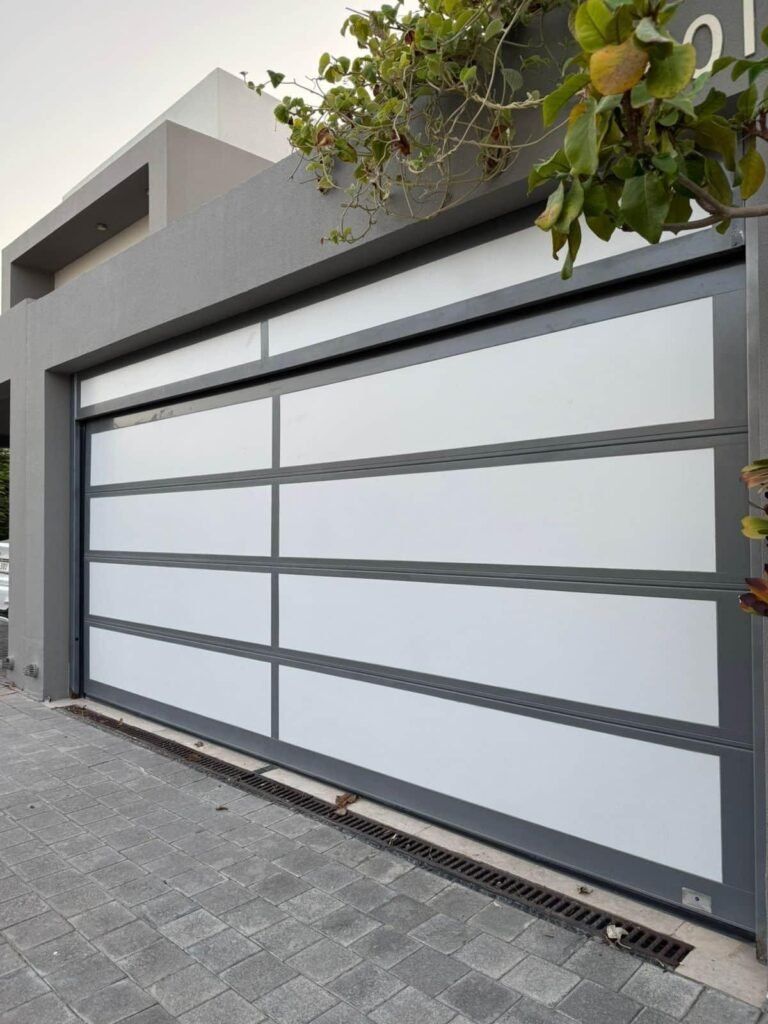
Garage door hinges connect each panel and support the door’s weight as it moves. Over time, constant opening and closing causes hinges to become loose, bent, or cracked. A bent hinge might seem minor, but it creates uneven stress distribution and can eventually cause panels to crack or the entire door to misalign.
Look for visible cracks in hinges, gaps where panels meet, or a door that no longer closes properly. Loose hinges can often be tightened with a wrench, but bent or cracked hinges require replacement. Addressing hinge problems early prevents more expensive panel damage.
The Garage Door Opener: The Motor That Powers It All
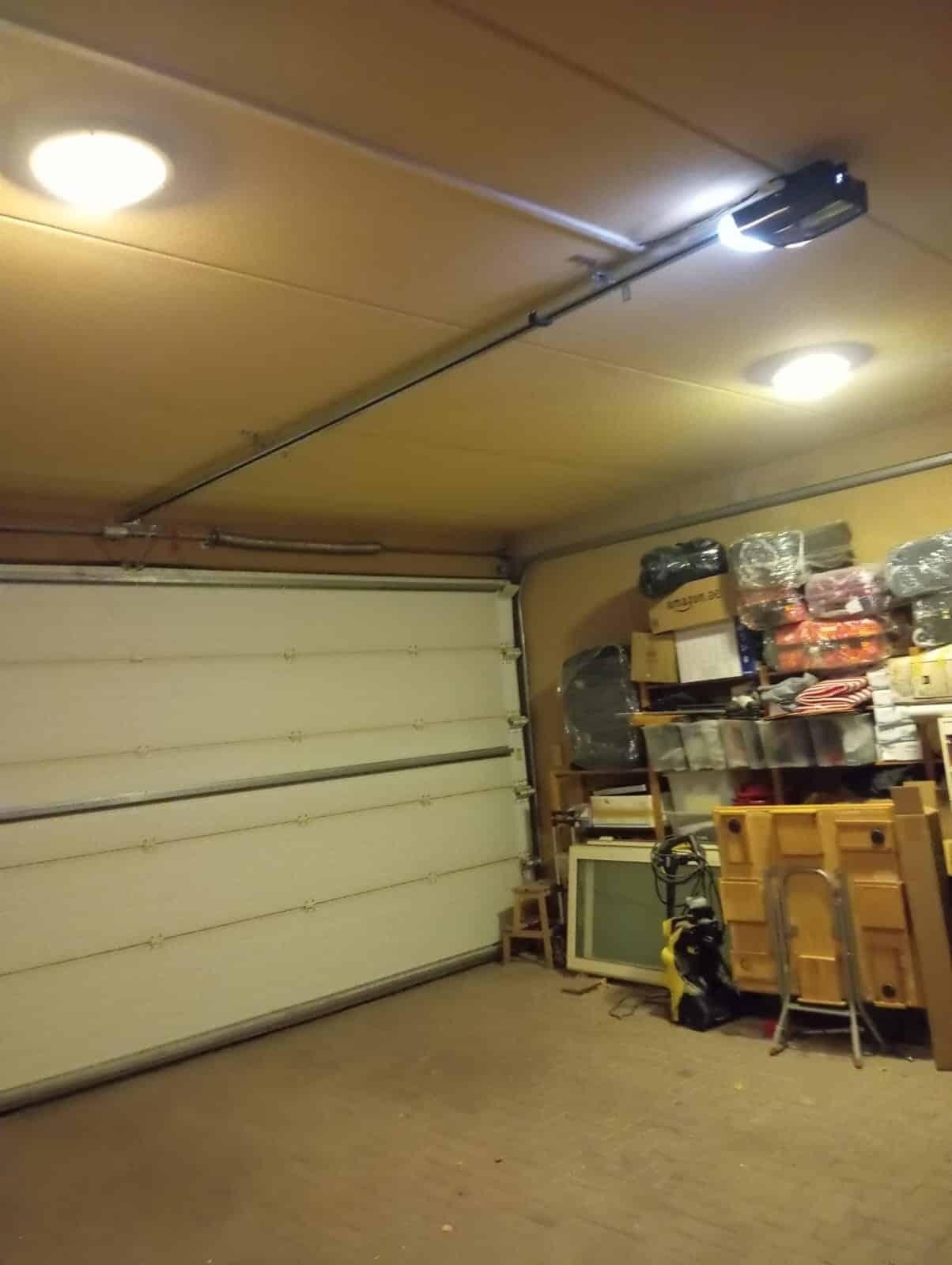
Your garage door opener is a sophisticated mechanical system consisting of a motor, gears, springs, and a drive mechanism. Common problems include a motor that hums but doesn’t move the door, a door that won’t open with the remote, or excessive noise during operation.
Garage door openers typically last 10 to 15 years with proper maintenance. Regular lubrication of moving parts and checking sensor alignment can extend their lifespan. If your opener is over 15 years old and experiencing repeated problems, replacement might be more cost-effective than ongoing repairs.
A Maintenance Schedule That Works
The best defence against costly garage door repairs is preventative maintenance. Here’s a simple monthly routine:
Inspect rollers and hinges for visible damage.
Clean tracks of debris and buildup.
Lubricate springs, cables, rollers, and hinges with silicone spray.
Test the door balance by disconnecting the opener and manually raising the door it should stay roughly where you position it.
Check weatherstripping for cracks or deterioration.
Listen for unusual noises that might indicate emerging problems.
By staying proactive, you can catch small issues before they become expensive repairs. Most preventative maintenance takes just 15 to 20 minutes monthly and costs virtually nothing.
When to Call a Professional
While some garage door maintenance is DIY-friendly, others require professional expertise. Never attempt to repair or replace springs, cables, or the opener motor yourself. These components operate under extreme tension or contain electrical systems that pose serious safety risks.
Garage Door Repair For Sydney specialises in diagnosing and repairing wear-related garage door problems, offering same-day service and transparent pricing. Whether you’re noticing new sounds, performance changes, or visible wear, professional inspection can identify issues early and prevent dangerous situations.
The Bottom Line
Your garage door is a complex system, and like any mechanical equipment, its components wear with use. By understanding what fails first springs, rollers, cables, weatherstripping, hinges, and openers and implementing regular maintenance, you can significantly extend your door’s lifespan and ensure safe, reliable operation.
Make preventative maintenance part of your home care routine, and you’ll enjoy years of trouble-free garage door performance.