What Is PRP Therapy? A Simple Guide to Platelet-Rich Plasma Treatment
PRP therapy sounds complicated. It isn’t. At its core, PRP uses your own blood to trigger natural healing where your body needs it most. No chemicals. No fillers. Just concentrated growth factors doing what they’re designed to do.
That’s why PRP is now widely used for skin rejuvenation, hair restoration, and injury recovery. If you’re wondering what PRP therapy actually is, how it works, and whether it’s worth considering, let’s break it down—simply and properly.
What Is PRP Therapy?
PRP stands for Platelet-Rich Plasma.
It’s a treatment made from your own blood. No chemicals. No synthetic fillers. Just your natural growth factors, concentrated and used where your body needs help healing. Platelets are tiny cells in your blood. Their job is to repair damage. When you get injured, platelets rush in and release growth factors that trigger healing.
PRP therapy simply takes those platelets, concentrates them, and puts them back into targeted areas to speed things up. Simple idea. Powerful results.
How PRP Injections Work (Step by Step)
PRP treatment follows a simple, controlled process. Here’s exactly how it works.
Step 1: A Small Blood Draw
The process starts with a small blood sample taken from your arm.
It’s quick and feels no different from a routine blood test. Only a small amount of blood is needed. Since PRP comes from your own body, there’s no risk of rejection or allergic reaction.
Step 2: The Blood Is Spun
Next, the blood sample is placed into a centrifuge. This machine spins the blood at high speed. Spinning separates the blood into layers. One of those layers contains platelet-rich plasma the part packed with growth factors that support healing and tissue repair.
This step is what makes PRP powerful. It concentrates on what your body already uses to heal itself.
Step 3: PRP Is Prepared
Once the spinning is complete, the platelet-rich plasma is carefully extracted. At this stage, the PRP is highly concentrated and ready for treatment. It contains a higher level of platelets than normal blood, which is why it’s effective for regeneration and recovery. Everything is prepared in a sterile clinical setting to ensure safety.
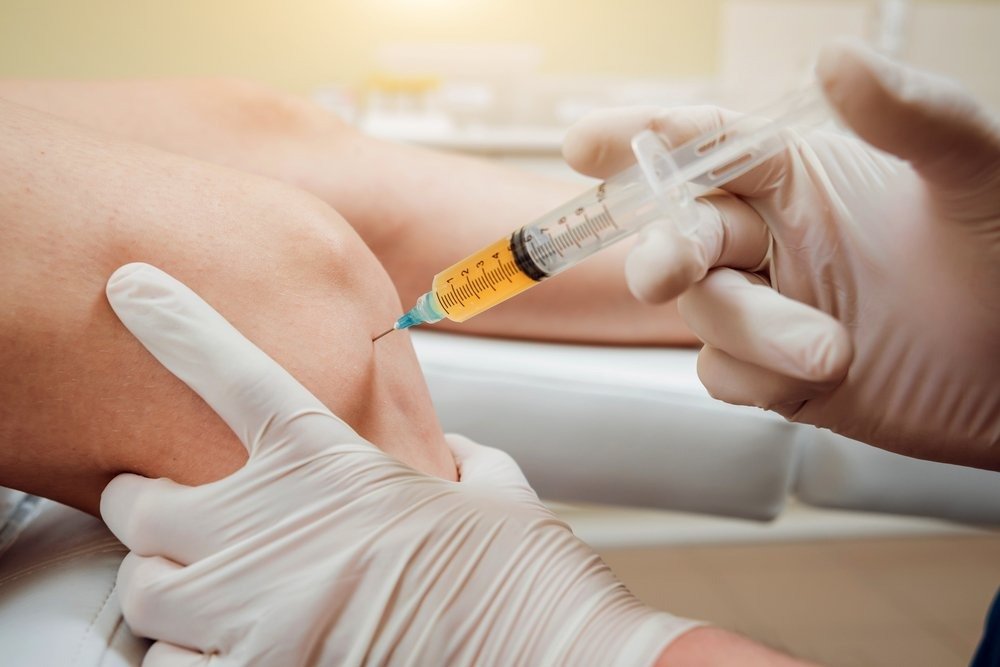
Step 4: PRP Is Injected or Applied
The prepared PRP is then placed into the targeted area.
Depending on the treatment goal, it may be:
- Injected into the skin for rejuvenation
- Applied to the scalp for hair restoration
- Injected into muscles, joints, or tendons for healing
Once introduced, the PRP releases growth factors that stimulate collagen production, improve blood flow, and support natural repair over time.
How Long Does the Procedure Take?
From start to finish, PRP treatment usually takes 30 to 60 minutes.
Most people can return to normal activities shortly after, making it an easy option for those with busy schedules.
What Is PRP Treatment Used For?
PRP therapy isn’t a one-trick treatment. It’s used across medical and aesthetic fields for one reason it works with the body, not against it.
PRP for Skin Rejuvenation
In aesthetics, PRP is known for improving overall skin quality rather than changing facial features.
It helps with:
- Fine lines and early wrinkles
- Uneven skin texture
- Dull or tired-looking skin
- Loss of firmness
PRP stimulates collagen production, leading to smoother, healthier skin over time. It’s often combined with advanced treatments like those Rejuran Perth clinics offer for enhanced regeneration and long-term skin repair.
PRP for Hair Loss
PRP is commonly used for early-stage hair thinning.
It works by:
- Strengthening existing hair follicles
- Improving blood supply to the scalp
- Slowing down hair shedding
It’s not a miracle cure for advanced baldness, but for thinning hair, it can make a real difference.
PRP for Muscle, Tendon, and Joint Healing
PRP is widely used in sports and orthopedic care.
It’s often recommended for:
- Tendon injuries
- Muscle strains
- Joint pain
- Mild osteoarthritis
The goal is faster healing and reduced pain without surgery.
Benefits of PRP Therapy
PRP therapy is popular for a reason. It works with your body, not against it. That alone sets it apart from many other treatments.
Uses Your Own Blood
PRP is made from your own blood. That means no foreign substances and no risk of rejection. Your body already knows how to respond to it. The treatment simply concentrates on what your body naturally uses to heal and repair itself.
Minimal Downtime
One of the biggest advantages of PRP is how easy it is to fit into daily life. Most people experience only mild redness or swelling, which usually settles within a day or two. Many return to normal activities the same day.
No Synthetic Substances
PRP contains no chemicals, fillers, or artificial ingredients. For people who prefer natural or regenerative treatments, this is a major plus, especially for facial and scalp procedures.
Supports Natural Healing
PRP doesn’t force results. It encourages them. By delivering a high concentration of growth factors to targeted areas, PRP helps stimulate collagen production, tissue repair, and improved blood flow over time. The improvements look gradual and natural, not sudden or overdone.
Suitable for Skin, Scalp, and Body
PRP is versatile.
It’s commonly used for:
- Skin rejuvenation
- Hair thinning
- Muscle and tendon injuries
- Joint discomfort
This makes it a flexible option for both aesthetic and medical goals.
Can Be Repeated Safely
Because PRP uses your own blood, treatments can be repeated when needed. Many people choose maintenance sessions to support long-term results, especially for skin quality and hair health.
Is PRP Safe?
When performed at a qualified clinic, PRP is considered low-risk and well-tolerated. Side effects are usually mild and temporary, which is why PRP has become a trusted option in both skin clinics and sports medicine settings.
What to Expect After PRP Treatment
After treatment, most people experience mild redness, swelling, or tenderness. This usually settles within a day or two. There’s little to no downtime. Many patients return to normal activities the same day. Results don’t appear overnight. PRP works gradually as your body repairs itself. Most people notice improvements within a few weeks, with continued benefits over several months.
PRP Therapy Risks and Side Effects
PRP is generally safe because it uses your own blood. Still, like any procedure, there are things to know.
Possible side effects include:
- Temporary swelling
- Mild bruising
- Sensitivity at the injection site
PRP may not be suitable for people with certain blood disorders or active infections. That’s why consultation with an experienced practitioner matters.
Choosing the best skin clinic Perth patients trust helps ensure proper technique, hygiene, and realistic expectations.
Is PRP Therapy Right for You?
PRP works best for people looking for natural improvement rather than instant transformation.
It’s ideal if you:
- Prefer regenerative treatments
- Want subtle, progressive results
- Are early in skin aging or hair thinning
- Want to avoid surgery or harsh procedures
A professional consultation will determine whether PRP alone or combined treatments will give the best outcome.
Final Thoughts
PRP therapy isn’t hype. It’s a science-backed, natural treatment that helps the body heal itself. Whether it’s for skin rejuvenation, hair restoration, or injury recovery, PRP offers a gentle yet effective option when performed correctly. When delivered by skilled practitioners in a clinical setting like Oro Aesthetics, PRP becomes more than a trend; it becomes a long-term investment in skin and tissue health.
Disclaimer:
This content is for general informational purposes only and does not constitute medical advice, diagnosis, or treatment. PRP therapy may not be suitable for everyone, and results can vary based on individual health, age, and condition. I am not responsible for any treatments, procedures, products, or outcomes mentioned. Always seek consultation with a qualified medical professional or licensed practitioner before undergoing PRP therapy or any medical or aesthetic procedure.