Why a Vehicle Loading Crane Is Essential for Efficient Loading and Unloading
In industries where materials, machinery, and heavy goods must be transported regularly, efficiency is everything. Delays in loading or unloading can disrupt schedules, increase labour costs, and reduce overall productivity. A vehicle loading crane provides a practical solution by combining lifting capability with transport mobility, helping businesses handle cargo quickly and safely.
For construction companies, logistics operators, and industrial suppliers, this equipment has become a vital part of daily operations.
Streamlining On-Site Operations
Traditional loading methods often require separate forklifts or stationary cranes, which can slow down workflows and increase coordination challenges. A vehicle loading crane eliminates the need for additional lifting equipment by being mounted directly onto a truck.
This integrated design allows operators to load and unload materials without waiting for external machinery, significantly improving turnaround times at job sites or warehouses.
Reducing Manual Handling Risks
Manual lifting of heavy or awkward items can lead to workplace injuries and strain-related issues. By using a crane system attached to a vehicle, businesses minimise the physical demands placed on workers.
Modern crane units are designed with precision controls and stabilising features, enabling operators to position loads accurately while maintaining high safety standards.
Increasing Productivity Across Industries
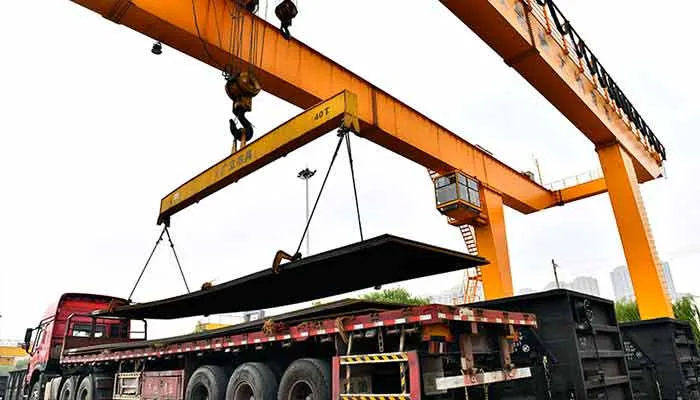
From construction materials and steel beams to pallets and heavy equipment, many industries depend on reliable lifting systems. A vehicle loading crane allows for quick transitions between tasks, helping teams complete deliveries and installations more efficiently.
The ability to load and unload directly from the transport vehicle reduces idle time and supports faster project completion.
Improving Flexibility and Mobility
One of the key advantages of this equipment is its mobility. Because the crane travels with the vehicle, operators can access multiple locations in a single shift without arranging additional lifting solutions.
This flexibility is especially beneficial in urban areas or remote sites where access to large fixed cranes may be limited.
Supporting Cost Efficiency
Investing in equipment that combines transport and lifting functions can reduce operational expenses over time. Fewer machines mean lower maintenance requirements and reduced fuel consumption compared to operating separate vehicles and cranes.
Additionally, faster loading processes help businesses maximise the number of jobs completed within a given timeframe.
Enhancing Precision and Control
Modern crane systems are equipped with advanced hydraulic technology and load monitoring systems. These features allow operators to lift and position cargo with accuracy, reducing the likelihood of damage to goods or surrounding property.
Precision handling is particularly important when working with delicate or high-value materials.
Adapting to Diverse Applications
Vehicle loading cranes are versatile enough to handle a wide range of tasks. They are commonly used in building projects, infrastructure maintenance, transport logistics, and even agricultural operations.
Their adaptability makes them a valuable asset for businesses seeking reliable lifting performance across varied environments.
Final Thoughts
Efficient loading and unloading are essential for maintaining productivity and meeting project deadlines. A vehicle loading crane offers a practical, safe, and cost-effective solution for businesses that handle heavy goods regularly. By combining mobility with lifting power, it supports streamlined operations and helps organisations achieve greater efficiency in their day-to-day activities.